The Top 5 Things to Look for in Governance, Risk, and Compliance Software (And Why They Matter)
If you're reading this, you probably already know the pain: spreadsheets that are out of date the moment you save them, audit requests that send your team scrambling through file servers, and compliance frameworks that feel like they're held together with duct tape and hope.
5 min read time
If you're reading this, you probably already know the pain: spreadsheets that are out of date the moment you save them, audit requests that send your team scrambling through file servers, and compliance frameworks that feel like they're held together with duct tape and hope.
The cost of inadequate GRC systems isn't just frustration—it's measurable business impact. Organisations waste an average of 30% of their compliance budget on manual processes and duplicated effort. Research shows that as many as 65% of organisations consider automation the most effective way to reduce compliance complexity and cost — signalling that manual processes remain a major operational burden.
Choosing the right Governance, Risk, and Compliance software transforms these pain points into competitive advantages. With so many vendors claiming to have everything covered in one system, how do you tell what’s genuinely robust and what’s just clever messaging?
Here are the five most critical capabilities to evaluate, and what they actually mean for your day-to-day operations.
1. True Integration: One Platform, Not a Patchwork
The Problem You're Solving:
Most organisations don't have a GRC problem—they have a "GRC scattered across twelve different systems" problem. Your risk register lives in one tool, compliance evidence sits in shared drives, policies are in a document management system, and governance workflows happen via email chains that would make archaeologists weep.
When audit time comes, your team becomes human middleware, manually copying data between systems and praying nothing falls through the cracks.
What to Look For:
A unified platform where governance workflows, risk assessments, and compliance activities share the same underlying data model. This means when you update a control in your compliance module, that change automatically reflects in your risk assessment. Look for platforms that eliminate duplicate data entry and provide dual-directional connections between GRC domains.
How calQrisk Approaches This:
calQrisk was built from the ground up as a unified platform, not separate modules bolted together after acquisitions. When you document a control for SOC 2 compliance, that same control automatically maps to your risk framework, policy requirements, and audit evidence collection. One update, universal impact.
The platform's integrated architecture means your governance policies directly link to operational risks, which connect to compliance requirements, which tie to specific controls—all visible in a single interface. No more maintaining the same information in multiple places or wondering which version is current.
2. Real-Time Visibility When It Actually Matters
The Problem You're Solving:
"Can you show me our current risk position?" should be an easy question. Instead, it typically triggers a three-day scramble to consolidate spreadsheets, check with department heads, and compile a report that's outdated before you finish the PowerPoint.
When auditors arrive or the board asks about cyber risk, you need answers now, not next week. When executives need to make strategic decisions about new markets, product launches, or acquisitions, they need current risk intelligence—not last quarter's assessment.
What to Look For:
Live dashboards that reflect your actual current state, not last quarter's snapshot. Automated reporting that can generate audit-ready documentation on demand. Real-time alerts when risks exceed thresholds or compliance deadlines approach.
The system should provide both executive-level summaries for board reporting and detailed drilldowns for operational teams—all pulling from the same live data. And critically, generating reports shouldn't require a data analyst—it should be as simple as clicking a button.
How calQrisk Approaches This:
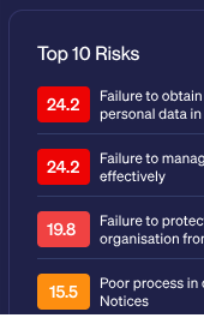
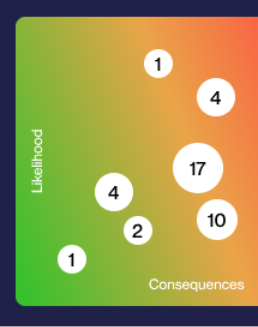
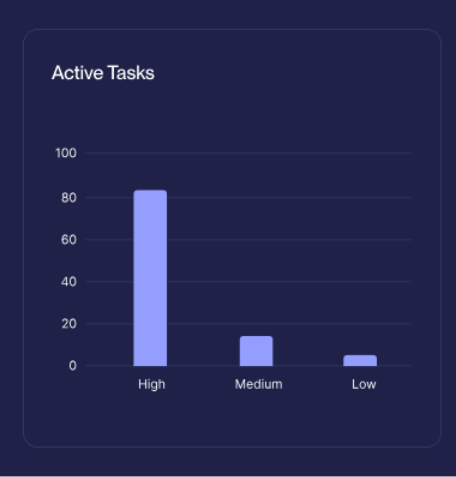
calQrisk delivers what its tagline promises: one source of truth, complete clarity, zero chaos. The platform's real-time dashboards give you instant visibility into your entire GRC landscape. Risk heat maps update automatically as assessments are completed. Compliance status reflects today's evidence, not last month's audit.
Here's where calQrisk distinguishes itself: report at the click of a button. Need a board-level risk summary? One click. Audit evidence package for SOX compliance? One click. Third-party risk assessment status across your vendor portfolio? One click. Executive reports generate instantly, pulling current data with full audit trails showing who did what and when.
When regulators request documentation or board members need risk updates, you're responding in minutes with comprehensive, current information, not scheduling emergency meetings to compile data. You're not preparing—you're always prepared.
3. Scales With You, Not Against You
The Problem You're Solving:
Start-up-phase GRC needs look nothing like enterprise compliance requirements. But most software forces you to choose: pay for enterprise features you won't use for years, or outgrow your system just as your team finally learns it.
Worse, many platforms lock you into rigid frameworks that don't match your industry, geography, or business model. You end up bending your processes to fit the software instead of the other way round.
What to Look For:
Flexible architecture that accommodates growing complexity without requiring migration to a different platform. The ability to customise frameworks, workflows, and risk taxonomies to match your specific requirements rather than forcing you into predefined templates.
Look for pricing models that scale reasonably and configuration options that don't require professional services every time you need a change.
How calQrisk Approaches This:
Whether you're a 50-person startup pursuing your first SOC 2 or a multinational managing dozens of regulatory frameworks, calQrisk adapts to your needs. The platform's flexible framework engine lets you map to any standard—ISO 27001, NIST, PCI DSS, GDPR, or your own custom requirements—without starting from scratch.
As your organisation grows, calQrisk grows with you. Add new business units, incorporate additional frameworks, expand your risk taxonomy—all without data migration or system replacement. The same platform that handles your initial compliance certification supports your mature, multi-framework program years later.
4. Automation That Actually Saves Time
The Problem You're Solving:
Control testing schedules, policy review reminders, evidence collection requests, vendor risk assessments—your team spends more time managing the compliance calendar than actually analysing risk or improving controls.
Manual processes don't just waste time; they introduce errors. Missed testing cycles, forgotten policy reviews, and incomplete evidence collection create genuine compliance gaps. Meanwhile, your team members spend their days chasing colleagues for updates instead of doing meaningful risk analysis.
What to Look For:
Intelligent workflow automation that handles routine tasks without constant human intervention. Automatic assignment of testing responsibilities based on control ownership. Smart reminders that escalate appropriately when deadlines approach.
Evidence collection should be streamlined—the system should remember what evidence is needed, who has it, and when it was last validated, then guide users through collection without reinventing the wheel each cycle.
How calQrisk Approaches This:
calQrisk's philosophy is simple: stop chasing, start analysing. The platform's automated reminder system handles the follow-up work that typically consumes hours of your team's time. Control testing schedules trigger automatically based on your defined frequencies. Policy reviews route to appropriate approvers without manual tracking. Evidence requests go to the right people with context about what's needed and why—and the system automatically follows up if responses are overdue.
5. Adoption: The Feature That Determines Success
The Problem You're Solving:
You've seen it before: the powerful enterprise GRC platform that cost six figures and took nine months to implement, now used by exactly three people whilst everyone else continues with spreadsheets "temporarily."
Complex software with steep learning curves doesn’t get adopted. When adoption fails, you don't have a GRC system - you have an expensive reminder that software alone doesn't solve organisational problems.
What to Look For:
Intuitive interfaces that feel familiar rather than requiring specialised training. Role-based experiences that show users only what's relevant to them. Mobile accessibility for approvals and reviews that shouldn't wait until someone's back at their desk.
The best GRC software feels less like specialised compliance software and more like modern business tools your team already uses comfortably.
How calQrisk Approaches This:
calQrisk's interface prioritises clarity over feature density. Users see clean dashboards focused on their responsibilities, not overwhelming feature lists. Common tasks follow intuitive workflows - if you've used modern web applications, calQrisk feels familiar from day one.
Role-based views mean executives see strategic risk summaries whilst control owners see their testing queue. Each user gets the right level of detail for their needs, reducing cognitive overhead and increasing actual usage.
The platform works on any device. Approve a policy from your phone, review risk assessments on a tablet, generate board reports from your laptop—calQrisk adapts to how and where your team actually works.
Making the Decision
Choosing GRC software isn't just a technology decision - it's a strategic investment in how your organisation will manage risk and demonstrate compliance for years to come. The right platform becomes the foundation for a mature, efficient GRC programme that provides genuine business value. The wrong one becomes expensive shelfware whilst your team continues muddling through with spreadsheets.
The five capabilities we've explored - true integration, real-time visibility, scalability, automation, and user adoption, aren't just nice-to-have features. They're the difference between a GRC function that's constantly reactive and one that's genuinely strategic.
As you evaluate options, remember that feature lists look similar across vendors. The differentiators emerge when you ask deeper questions about day-to-day operations and long-term scalability:
How long does it actually take to generate an audit-ready report?
What happens when we need to add a new compliance framework next year?
Can department heads access the information they need without calling IT for help?
How many clicks to reassign a control owner across multiple frameworks?
What does the first 90 days of implementation realistically look like?
When someone asks for current risk status, can I answer in minutes or days?
The vendors who can demonstrate clear, specific answers to these questions—ideally by showing you their platform working with scenarios relevant to your organisation—are the ones worth serious consideration.
See calQrisk in Action
The best way to evaluate whether calQrisk meets these criteria for your organisation is to see it working with your actual use cases. We offer personalised demos that focus on your specific compliance frameworks, regulatory requirements, and risk management needs—no generic sales presentations or feature tours that aren't relevant to your situation.
Whether you're managing SOX compliance, navigating GDPR requirements, implementing operational resilience frameworks, or coordinating enterprise-wide risk management, we'll show you exactly how calQrisk handles your specific challenges.
Ready to move beyond GRC spreadsheets? Book a 30-minute demo to see how calQrisk delivers one source of truth, complete clarity, and zero chaos for your governance, risk, and compliance programme.
Next Steps
You already know the pain of out-of-date spreadsheets and last-minute audit scrambles.